 Your teeth play a major role in your life. They help you eat and talk, and they complete your smile. Practicing oral hygiene basics will keep your teeth healthy so that they can serve you well for a lifetime.
Brushing
One of the most important aspects of dental hygiene is regular brushing. Do it twice a day. Make sure you reach all surfaces of each tooth. If you have wisdom teeth, do not forget to clean them. Brush the tongue and along the gum line. Be gentle and use circular back-and-forth motions. A thorough brushing takes about two minutes. Wait about 60 minutes after eating before brushing. This gives your saliva time to wash away enamel-weakening acid.
Use fluoridated toothpaste, and choose a flavor and texture that you like. Doing so will make brushing more enjoyable, so you are apt to do it regularly.
The toothbrush you choose is just as important as your toothpaste. Whether you use a manual or electric brush, the bristles should be soft. The toothbrush or brush head should be replaced every three months or sooner if the bristles are worn. If used properly, manual toothbrushes are effective. However, electric and battery-operated devices tend to remove more plaque. Some models have built-in timers and alert users who are brushing with too much force. More advanced electric toothbrushes use Bluetooth to record your brushing pattern, time, and other data to help you improve your brushing technique.
Other dental hygiene practices
Although brushing often gets the most attention, there are other important oral hygiene basics necessary for healthy teeth. The following are three practices that should not be neglected.
1. Flossing
Flossing removes food particles from between the teeth. This prevents bacteria from growing in interdental spaces and causing tooth decay and gum disease.
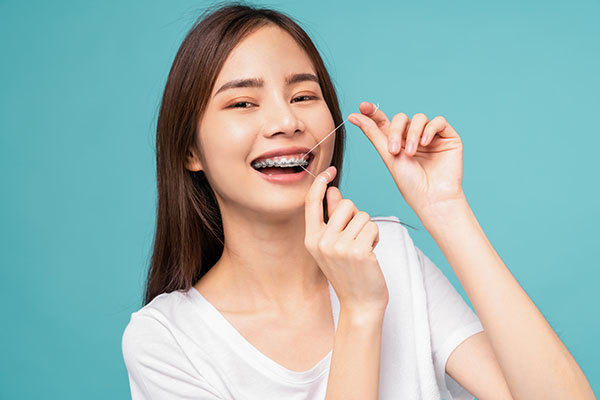
When using traditional floss, hold about 18 inches of the thread. Wrap one end around each middle finger, guide the floss through each interdental space and rub it up and down the side of each tooth.
Water picks, pre-threaded floss handles, and interdental brushes are all alternatives for those who find traditional floss difficult to use.
2. Rinsing
Although mouthwash is not strictly necessary for a healthy mouth, rinsing can enhance one’s oral hygiene routine. Many rinses have fluoride or other beneficial ingredients. These are not a replacement for brushing but can reach places that you may have missed.
3. Visting the dentist
Visiting the dentist for a cleaning and exam twice a year is one of the most important things you can do for your oral health. Dentists can catch minor problems before they become serious issues. If you need specialized toothpaste or mouthwash, a dentist can write a prescription or recommend an over-the-counter product.
Conclusion
Your teeth are one of your most valuable assets. Practicing good oral hygiene basics can help you keep your smile beautiful and your mouth healthy.
Request an appointment or call Lilburn Family Dentistry at 770-800-0178 for an appointment in our Lilburn office.
Recent Posts
Keeping up with oral hygiene basics can prevent cavities and other issues with your teeth. Proper daily care can also stop discoloration of the teeth and reduce bad breath. Here are some dental habits that people can benefit from including as part of a daily routine.One of the most important parts of oral hygiene is…
Brushing and flossing are essential oral hygiene basics that help prevent tooth decay and gum disease. While many people pay careful attention to their teeth and gums, the tongue is often neglected. However, this large surface of the mouth should also be cleaned on a daily basis. Doing so can help many people enjoy better…
Although many people believe that plaque and tartar are the same, they actually have significant differences. Understanding the distinctions between these two dental conditions can help you identify their warning signs and practice oral hygiene basics to avoid them.Plaque is a soft film containing millions of bacteria that build up on your teeth, gums, and…