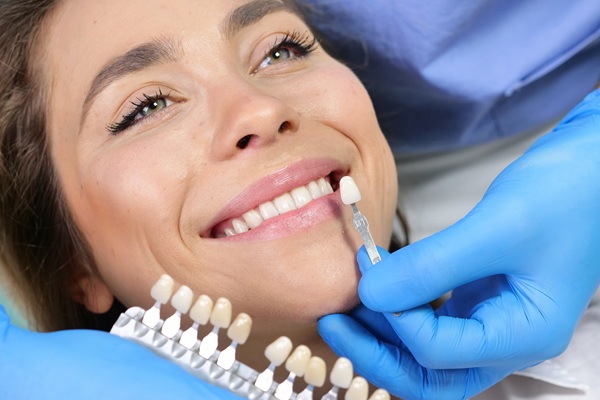
Dental laminate treatments offer a minimally invasive solution for patients looking to enhance their smiles. Both dental laminates and veneers improve the appearance of teeth by covering imperfections such as discoloration, chips, and minor misalignments. While these treatments serve a similar purpose, their differences impact durability, preparation, and overall aesthetic outcomes. Understanding these distinctions can help determine which option best suits specific dental needs.
What are dental laminates?
A dental laminate is an ultra-thin shell, typically made of composite resin or porcelain, designed to cover the front surface of a tooth. Laminates are primarily used for cosmetic enhancements, providing a natural and translucent appearance. Unlike traditional veneers, dental laminates require minimal tooth preparation, preserving more of the natural tooth structure.
Dentists often recommend laminates for patients seeking a conservative approach to cosmetic dentistry. Their thin composition allows light to reflect naturally, making them ideal for individuals with minor discoloration, slight gaps, or surface imperfections. Since they require little to no enamel removal, laminates can sometimes be reversible treatments.
What are veneers?
Veneers are custom-made porcelain shells slightly thicker than dental laminates. They correct various aesthetic concerns, including severe discoloration, chipped teeth, and moderate misalignment. To ensure a proper fit, a small amount of enamel must be removed, making them a more permanent solution than laminates.
Due to their thicker structure, veneers are more durable and resistant to staining. They are common for patients who need more extensive cosmetic correction or who desire long-lasting results. With proper care, veneers can maintain their appearance and function for over a decade.
Key differences between dental laminates and veneers
Thickness and material composition
Dental laminates are thinner than veneers, typically ranging from 0.2 to 0.5 millimeters in thickness. Veneers, on the other hand, are about 0.5 to 1 millimeter thick. The added thickness of veneers allows for better coverage of deep stains and structural imperfections.
Preparation and tooth preservation
One of the main advantages of a dental laminate is its minimal preparation. In most cases, little to no enamel removal is necessary, allowing patients to maintain the integrity of their natural teeth. Veneers, however, require a small amount of enamel reduction to accommodate their thicker design and ensure a seamless fit.
Since veneers involve enamel removal, they are considered an irreversible procedure. Patients who opt for veneers must commit to maintaining them long-term, whereas laminates may be a less invasive option for those who prefer a more conservative approach.
Durability and longevity
Veneers are known for their strength and durability. Porcelain veneers resist staining and chipping better than dental laminates, making them a preferred choice for individuals seeking a long-term cosmetic solution. With proper care, veneers can last 10 to 15 years or more.
Dental laminates, while still durable, are more prone to wear and may require replacement sooner. Their ultra-thin structure makes them more susceptible to damage, particularly for patients who grind their teeth or frequently consume hard foods.
Choosing the right option for your smile
Selecting between dental laminates and veneers depends on several factors, including aesthetic goals, the condition of natural teeth, and long-term maintenance preferences.
- Patients with Minor Cosmetic Concerns: Dental laminates may benefit patients with slight discoloration, small gaps, or minimal chipping. Since they require little to no tooth preparation, they offer a less invasive and potentially reversible solution.
- Patients Seeking Maximum Durability: Veneers provide a more robust solution for individuals with moderate to severe cosmetic concerns. Their strength and resistance to stains make them a reliable option for long-term results.
- Patients Concerned About Tooth Preservation: Dental laminates are ideal for those who want to improve their smile without permanently altering their natural teeth. Since they require minimal enamel removal, laminates offer a more conservative approach to cosmetic dentistry.
Both dental laminates and veneers require proper care to maintain their appearance and longevity. Regular brushing, flossing, and dental check-ups help prevent plaque buildup and protect the underlying teeth. Avoiding habits such as biting on hard objects or using teeth to open packaging can also extend the lifespan of these restorations.
Get a consultation today
Both dental laminates and veneers provide effective solutions for enhancing the appearance of teeth. While laminates offer a minimally invasive approach with a natural aesthetic, veneers provide greater durability and long-term results. The choice between these treatments depends on individual needs, the condition of the teeth, and long-term cosmetic goals. Consulting with a dental professional can help determine the most suitable option for achieving a beautiful and lasting smile. For more information, schedule a consultation visit today at Lilburn Family Dentistry.
To schedule a consultation, request an appointment on our website at https://www.lilburnfamilydentistry.com or call Lilburn Family Dentistry at (770) 800-0178 for an appointment in our Lilburn office.
Check out what others are saying about our dental services on Yelp: Dental Veneers and Dental Laminates in Lilburn, GA.
Recent Posts
Dental veneers have become an increasingly popular choice for patients looking to improve the appearance of their smiles. A veneer can enhance the color and shape of your teeth, providing a more uniform and aesthetically pleasing smile. However, they are not a one-size-fits-all solution; certain factors determine whether someone is a good candidate. Patients should…
Dentists typically recommend dental laminates to patients that want to improve the look of their teeth by addressing minor imperfections with the visible surface of front teeth. The most common concerns that dental laminates can address are damaged teeth, teeth stains, short teeth, and misshapen teeth.The following review highlights when a dentist might recommend dental…
Dental veneers are typically sturdy with long lifespans, but they are still vulnerable to breakage and cracks. The kind of stress or trauma that can cause damage to dental veneers can also cause them to come loose and fall off.To ensure an even-looking smile, learn how to take care of your dental veneers. You can…
Dental veneers are growing in popularity as an option to improve people’s smiles. But you might be wondering just what dental veneers are used for. Whether you have chipped, worn or severely discolored teeth, dental veneers can be a good option for you. Veneers can make your smile look completely different than it did before.…