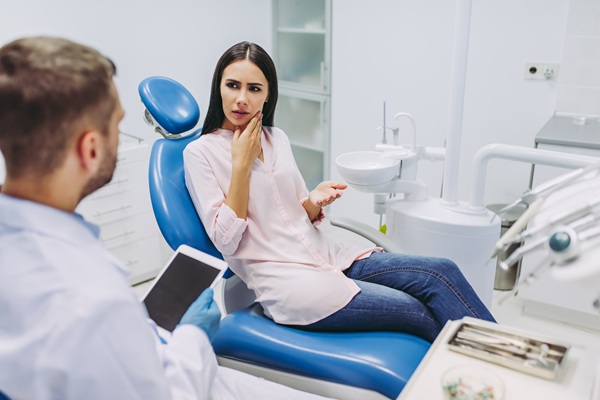
Emergency Dentist Care: What to Do When Dental Pain Strikes

When sudden dental pain occurs, an emergency dentist can provide critical relief and timely treatment. A toothache often appears unexpectedly, disrupting daily activities or restful sleep at night, signaling that you need urgent dental care. Understanding what steps to take when this type of pain occurs can help prevent further complications to your teeth and effectively restore your oral health.
Why emergency dental care matters
Delaying treatment for severe dental pain can lead to worsening conditions and more complex procedures later. For example, an untreated cavity that causes severe dental pain may progress to an abscess, spreading infection to other areas of the mouth or even the bloodstream, reaching other parts of the body. Immediate evaluation by an emergency dentist addresses the patient's oral health issues before they escalate and begin to affect their overall health. Early treatment typically means less invasive procedures, reduced costs, and a faster recovery.
Common causes of sudden dental pain
Dental emergencies can stem from a variety of conditions. These include:
- Severe tooth decay that reaches the inner pulp
- Gum infections (abscesses)
- Dental trauma
- Poorly fitting crowns
- Damaged fillings
The emergency dentist can determine the root cause of the dental pain and administer the appropriate treatment.
Immediate steps to take before reaching out to the dentist
When dental pain strikes, patients can take several preventive measures to help manage discomfort until professional care is available. Rinsing their mouth with warm salt water can reduce bacteria and inflammation. Over-the-counter pain relievers may offer temporary relief, although they do not address the root cause of the problem. Additionally, applying a cold compress to the outside of the cheek can help minimize swelling, especially after a dental trauma. If the patient loses a tooth, placing it in milk or a saline solution while traveling to an emergency dentist can improve the chances of successful reattachment.
When to seek professional help
It is important to recognize that not all dental pain is minor. Patients should not dismiss persistent or worsening dental pain as something that will improve on its own. Waiting too long can compromise their comfort and long-term oral health.
Patients experiencing dental pain should seek professional dental care if they experience the following symptoms:
- Severe swelling in the face or jaw
- A fever above 101°F
- Pus or discharge
- Uncontrolled bleeding
- Difficulty breathing or swallowing
When in doubt, contacting an emergency dentist provides clarity and ensures that necessary steps are taken to address the issue. A professional evaluation is the safest way to determine whether immediate treatment is necessary.
Treatments offered by an emergency dentist
An emergency dentist can handle a wide range of urgent situations. Common conditions include:
Severe decay
For intense toothaches caused by advanced tooth decay, the dentist may recommend root canal therapy and a dental crown. During this procedure, the dentist will remove the damaged part of the inner pulp of the tooth and clean the area. If they cannot save the tooth, they may need to extract it. However, this is considered a last resort.
Inflammation and infection
In cases of inflammation and swelling, the dentist will likely drain the affected area and treat it with antibiotics. They may also prescribe antibiotics for the patient to take at home to fight off the remaining harmful bacteria, reducing the risk of further complications.
Damaged restorations
The emergency dentist will repair decayed fillings by removing any remaining decay or damage with a dental drill or laser. After thoroughly cleaning the area, the dentist will place and shape the new filling material, such as composite resin or amalgam, to match the tooth's natural structure. In cases of a damaged or dislodged crown, they will recement it to the prepared tooth or repair chips with a loose crown. However, if the crown is severely damaged, they will likely recommend that it be replaced.
Dislodged permanent teeth
If the patient has experienced a dental trauma like a knocked-out tooth, emergency care can stabilize the patient's mouth. The dentist can reattach the tooth or provide temporary restorations until a permanent solution is available. That said, it is important for the patient to get the tooth reinserted as soon as possible — within the first hour — to improve the chances of reattachment.
How to prevent future dental emergencies
Not every dental pain is avoidable. However, individuals can prevent many dental emergencies through consistent care and protective habits. Preventive measures may reduce the likelihood of sudden pain and the need for urgent dental visits. For example, regular checkups allow early detection of cavities, gum disease, and other issues before they become painful. Additionally, wearing a mouthguard during contact sports reduces the risk of broken or dislodged teeth. Maintaining strong oral hygiene practices, such as daily brushing and flossing, can also help protect against decay and infection.
Get the relief you need for dental pain
Sudden dental pain can be overwhelming. However, immediate intervention from an emergency dentist can make a significant difference, providing the pain relief you need while preserving your teeth and overall oral health. Call our Lilburn office to learn more about our emergency dentistry services or to schedule an appointment.
Request an appointment here: https://www.lilburnfamilydentistry.com or call Lilburn Family Dentistry at (770) 800-0178 for an appointment in our Lilburn office.
Check out what others are saying about our dental services on Yelp: Emergency Dentist in Lilburn, GA.
Recent Posts
An emergency dentist is a particular type of dental professional who undergoes additional education and training to learn how to deal with urgent and emergency situations. While emergency dentists do learn how to provide general dentistry care, they also learn how to think and act on the spot when an emergency happens. In most cases,…
You need an emergency dentist if you have a broken tooth. Regardless of how severe the damage is, you should go to the emergency dental clinic and receive quick treatment for it. If the damage is in the level of your enamel, the dentist will address the pain first. Further treatments may follow. If the…
If you have started to notice signs of periodontitis, then you might be wondering if you need to see an emergency dentist. An emergency dentist can offer you immediate dental care to help you quickly preserve your smile. An emergency dentist can prevent any potential tooth loss as well. To understand more, it is important…
A dental emergency while traveling is an inconvenient nightmare. Imagine you have concluded a perfect vacation – probably a two-week stint in the tropics or travel documentary through Asia. You have planned every event and eager to set the sails for your adventure. But, one aspect you probably did not consider is the step you…