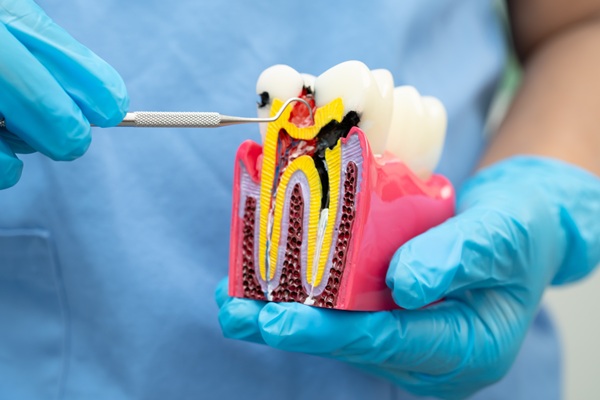
Endodontics often relieves intense tooth pain by treating infection or inflammation deep inside a tooth. When care stays gentle and methodical, root canal therapy can feel far more manageable than its reputation suggests. A general dentist who prioritizes comfort, clear communication, and careful technique can help the entire process move smoothly from diagnosis to recovery. With the right plan, endodontics becomes a path to saving a natural tooth and restoring confidence in everyday eating and speaking.
The first step: listening to symptoms and finding the cause
A gentle dental approach begins with taking symptoms seriously and identifying patterns. Pain that lingers after hot drinks, discomfort when chewing, or swelling near a tooth can indicate a pulp problem. A dentist can also evaluate whether sensitivity is due to gum recession, a filling issue, or a bite imbalance. This careful sorting matters because the right diagnosis guides the right treatment. If the dentist determines endodontics is the most effective course of action, the goal is simple: preserve the tooth, remove the initial threat, and reduce pain.
Imaging and testing support that goal without guesswork. X-rays can reveal deep decay, widening around the root tip, or changes that suggest infection. Temperature and tapping tests can help clarify which tooth needs attention, especially when pain is diffuse. These steps keep the plan focused and efficient. A gentle dentist uses them to avoid unnecessary procedures and to explain findings in simple terms.
Understanding the endodontic procedure
Endodontics, or root canal therapy, treats the inside portion of the tooth where the nerves and blood vessels live. After the tooth becomes fully numb, the dentist creates a small opening to access the canal system. They remove infected or inflamed tissue before cleaning and shaping the canals using specialized instruments. Disinfecting solutions help eliminate bacteria in spaces that a toothbrush cannot reach. Endodontics relies on this thorough cleaning to stop the infection at its source.
Once the dentist prepares the canals, they fill them with a biocompatible material and seal them to prevent reinfection. A temporary or permanent filling closes the access opening. In many cases, the dentist recommends a crown to reinforce the tooth and protect it from fracture under chewing forces. This final restoration matters because the goal extends beyond pain relief. Endodontics works best when the tooth returns to stable, long-term function.
What relief feels like after treatment
Many patients notice that the sharp, pulsing pain improves quickly once the inflamed tissue is removed. Mild soreness can persist for a short time as surrounding tissues settle, especially if the infection affected the area around the root tip. That soreness often feels similar to a bruised ligament and tends to respond well to over-the-counter (OTC) pain relief.
Relief also includes emotional comfort. When pain disappears, normal routines return, and eating becomes less daunting. A successful outcome can rebuild trust in dental visits, especially for patients who associate dentistry with discomfort. Gentle communication supports that trust by setting realistic expectations and encouraging follow-through with the final restoration. Endodontics becomes a turning point when the experience matches the results.
Simple aftercare that supports healing
Aftercare helps keep the tooth comfortable and protects the treated area as healing continues. A dentist may recommend avoiding hard foods on the treated side until the final restoration is complete. Keeping the area clean with brushing and flossing supports the gums and reduces bacterial load in the mouth. However, if the dentist prescribes antibiotics for swelling or systemic signs, the patient must be sure to take them as directed to help prevent a rebound infection. All in all, endodontics succeeds when the procedure and the recovery plan work together.
Helpful recovery habits often include:
- Choose softer foods on the first day and avoid sticky candy or chewing ice.
- Keep the bite gentle and call the office if the tooth feels "high" when closing.
- Continue routine hygiene and schedule the restoration (dental crown) appointment promptly.
These steps protect the investment in care. They also reduce the risk of post-treatment discomfort caused by biting pressure or delayed restoration. Gentle dentistry remains part of endodontics even after the appointment ends, because guidance and follow-up prevent avoidable setbacks.
Schedule a consultation
Pain does not need to dominate daily life when a clear diagnosis and a comfort-focused plan are in place. Endodontics can remove infection, calm inflammation, and preserve a tooth that still has years of function left. For more information or to schedule a consultation, call our Lilburn office.
To schedule a consultation, please request an appointment on our website at https://www.lilburnfamilydentistry.com or call Lilburn Family Dentistry at (770) 800-0178 to arrange an appointment at our Lilburn office.
Check out what others are saying about our dental services on Yelp: Endodontic Surgery in Lilburn, GA.
Recent Posts
The dental specialty that focuses on the tissues inside your tooth and around your tooth roots is called endodontics. Endodontic treatment, which is more commonly known as root canal treatment, can improve your oral health by keeping the tissues inside your teeth healthy and saving teeth that might otherwise be lost.The nerves of teeth may…
Your dentist may recommend endodontic treatments if you have a damaged or diseased tooth. Inside each tooth is a soft, threadlike substance called the pulp. It is the living part of your tooth. The pulp contains the connective tissues, blood vessels, and nerves that bring required nutrients to the tooth and keep it healthy.When the…
If you receive endodontic treatment, you must take proper care of your tooth. A root canal professional will provide you with care instructions following the procedure. However, you can educate yourself beforehand so you will know what to expect. Learn what you need to do after your treatment.Patients are normally sent home with temporary fillings…
A dentist can help patients restore lost teeth with traditional dental crowns or implant crowns. Tooth loss, regardless of the cause — accident or trauma, tooth decay, or gum disease — not only affects your self-esteem, but it may also contribute to major dental problems in the future.Although both are effective for tooth restoration, there…