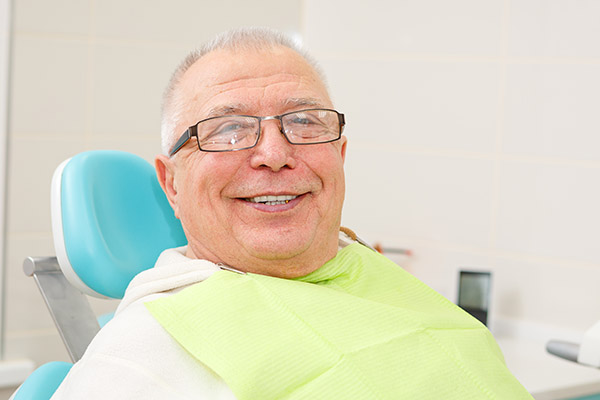
A restorative dentist primarily aims to protect oral health through tooth restorations. These restorations can also prevent pain, address any discomfort, decrease the risk of future issues, and revitalize the appearance of a smile. Here is a look at common problem-causing conditions and treatments they use to address them.
Decayed teeth
Decay can wreak havoc, causing tooth pain, discomfort, sensitivity, and loss. Decay has varying levels of severity. In the beginning stages, a restorative dentist can help patients reverse it by providing a more detailed oral hygiene recommendation and possibly diet changes, such as eliminating sugar. However, if the decay progresses, they must manually remove it from the tooth, which also involves removing portions of the natural tooth structure.
Following the decay removal, the restorative dentist will place a dental crown, filling, inlay, or onlay. A dental crown is a custom cap that engulfs the vulnerable tooth. A dental filling is a composite resin material used for filling in and shaping small holes left behind. Inlays and onlays are similar, with the former consisting of a composite material to fill the area between the cusps and the latter covering the cusps.
Fractured teeth
There are five main types of fractures: craze lines, fractured cusps, split teeth, vertical root fractures, and cracked teeth. They all vary in severity, but it is important to note that they all do not have accompanying side effects such as pain or discomfort. This does not mean the fracture is harmless. It is more detrimental due to the increased risk of furthering the fractures, bacteria, and the likelihood of needing invasive treatments or an extraction.
Depending on the fracture type, the restorative dentist can provide dental crowns, bonding, fillings, inlays, and onlays.
Loose teeth
Loose adult teeth are often a result of trauma or deteriorated jawbone or gum tissue. These conditions can occur from gum disease, aging, or teeth that have been missing for too long. The restorative dentist will focus on the primary reason for the deterioration or trauma, which may involve performing a gum or bone graft. These options will provide stability to the teeth while preventing further deterioration.
Missing teeth
Missing teeth, especially permanent ones, cause deterioration and the shifting of surrounding teeth, not to mention that they can dampen the smile's appearance. The restorative dentist will consider dental implants, dentures, and fixed bridges to prevent these side effects. Dental implants require surgical procedures to insert the restorative in the jawbone. It will also require a dental crown, dentures, or bridge attachment to complete the look. Dentures, whether complete or partial, can complete a patient's smile, restoring its function and preventing tooth shifting. A fixed dental bridge can also prevent the shifting of teeth as it consists of two dental crowns on either side of a pontic (false tooth), which will span the missing tooth's gap.
Schedule an evaluation
Our restorative dentist is available to help you maintain a complete, healthy smile. If this sounds like something you need, contact our office today and schedule an evaluation.
Request an appointment or call Lilburn Family Dentistry at 770-800-0178 for an appointment in our Lilburn office.
Recent Posts
A dental crown can help restore the appearance and function of your smile while improving your oral health. Working with a restorative dentist can streamline the process. Here are a few benefits of getting a dental crown from a restorative dentist.Healthy teeth feature an outer shell known as enamel, which protects the underlying dentin. Though…
A restorative dentist can complete your smile by replacing your missing teeth. This can bring back your oral health and self-esteem. Knowing what teeth replacement method will suit you can help prepare you for your appointment. Here are the details on how seeing your restorative dentist can replace your lost teeth.These removable dental replacements are…
Restorative dentists do not only repair damaged teeth. They also enhance overall oral health. From addressing cavities to replacing missing teeth, these dental professionals provide a variety of treatments that restore the function of damaged teeth and protect your oral health.Restorative dentistry is the dental specialty that restores damaged and decayed teeth. These professionals also…