What Are Composite Fillings?
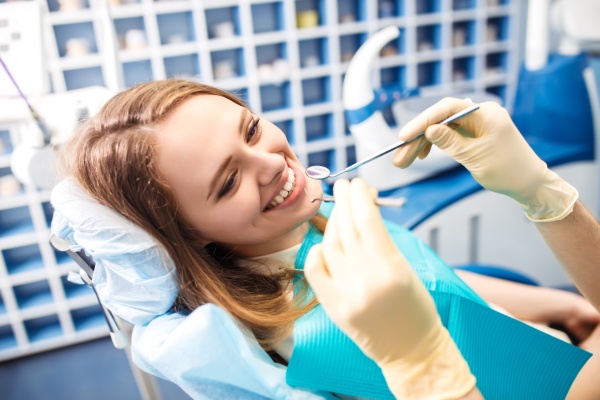
Composite fillings are mixtures of glass and plastic. They are used to fix cavities, which are holes created by tooth decay. For the past few decades, silver amalgam fillings have been the norm in dentistry, but they tend to ruin the aesthetics of the person's teeth. Composite fillings, on the other hand, are hard to spot since they blend in with the rest of the tooth.
How a composite tooth filling is placed
Composite fillings are usually applied in layers. Ultraviolet light is used to harden each layer before another is placed on it. An etching solution is used to prepare the tooth for the composite. The procedure ends with the dentist polishing the repaired tooth, giving it shine just like a real tooth. Polishing the composite also reduces wear and helps prevent staining.
The best part of composite tooth fillings is how affordable they are. They are usually less than twice the price of traditional fillings, which are already considered to be one of the most affordable treatments provided by dentists.
The advantages of composite fillings
One of the main advantages of composite fillings is the fact they blend in with the rest of the patient's teeth. Other benefits include:
- Composite fillings can last up to seven years if the patient practices good oral hygiene
- It provides support to a tooth's structure, making it more resistant to breakage
- It insulates a tooth from hot and cold foods and beverages
- The results look completely natural
- It is an affordable solution
The disadvantages of composite fillings
While using composite resins to treat cavities comes with many benefits, there are disadvantages to consider. These include:
- Composites are more vulnerable to staining than real teeth, so it is up to the patient to avoid habits that can damage teeth, like drinking tea and coffee or smoking tobacco products
- Composites tend to wear out faster than traditional fillings when used to cover a large cavity
- Some patients might experience temporary increased sensitivity to cold and hot foods after getting fillings made with composites
Taking care of teeth after getting fillings
There are many easy things patients can do to get the most out of their treatment. These include:
Making oral hygiene a priority. Restorations made with composites last longer when the patient practices good oral hygiene.
Avoiding foods with potent coloring agents. Composites are more vulnerable to developing stains than real teeth, so extra precaution should be taken to prevent them from becoming stained. An effective way to do this is by staying away from things that discolor teeth, like tobacco products and coffee.
Visiting a dentist twice a year. Regular visits to the dentist ensure that any issues with the composites are detected early. Worn-down composites can be topped up with a fresh layer.
No one needs to know about your cavities
Composites allow you to repair cavities without compromising the appearance of your teeth. Dealing with tooth decay? Stop by our Lilburn clinic for treatment today.
Request an appointment here: https://www.lilburnfamilydentistry.com or call Lilburn Family Dentistry at (770) 800-0178 for an appointment in our Lilburn office.
Check out what others are saying about our services on Yelp: Read our Yelp reviews.
Recent Posts
A smile makeover can completely revitalize your teeth to boost your confidence and make your smile stand out. While this type of makeover differs for every patient because it is personalized to suit their respective needs and goals, the after-care tips are the same for everyone. If you want to maintain your smile after a…
Acting quickly by consulting an emergency dentist when facing the signs of dental implant rejection helps to protect the jawbone and surrounding teeth. While implants offer a permanent, high-success solution for missing teeth, the body occasionally struggles to integrate the titanium post with the natural bone. This complication requires immediate attention to halt the spread…
Are you considering a smile makeover? Read on to learn more. A smile makeover has both cosmetic and emotional value. The psychological effects extend to one’s self-esteem and self-image. According to the American Academy of Cosmetic Dentistry, nearly 99.7% of individuals consider a smile an important social asset. Smiles have a high social value, and…
A smile makeover is a treatment plan designed to enhance a patient’s smile through various procedures. Two of the most common are dental veneers and dental crowns. Which one of these treatments a dental professional may recommend will depend on the condition of the patient's teeth, including health and appearance, and their goals for their…